
Thin Skin Rhinoplasty in Philadelphia, PA
With locations in Glen Mills, Media, and Chester, Providence Facial Plastic and Cosmetic Surgery serves patients throughout the greater Philadelphia area seeking facial refinement. Dr. Mark Ginsburg specializes in thin skin rhinoplasty, a highly nuanced approach to reshaping the nose when delicate skin reveals even the smallest detail beneath the surface.
Thin nasal skin offers beautiful definition, but it also exposes irregularities that thicker skin might conceal more effectively. If you’ve been told you have thin skin or are concerned about visible edges, asymmetry, or long-term contour changes, a precise, carefully planned rhinoplasty can help create smooth, balanced, natural-looking results.
What is Thin Skin Rhinoplasty?
Thin skin rhinoplasty is a specialized approach to nose reshaping for patients whose delicate nasal skin reveals even minor imperfections in the underlying cartilage and bone. Dr. Ginsburg tailors surgical techniques to ensure exceptionally smooth contours, structural refinement, and the careful management of soft tissues. Because thin skin has a smaller margin for error, this refined procedure requires meticulous planning, gentle handling of tissues, and long-term strategies to maintain balanced, natural-looking results.
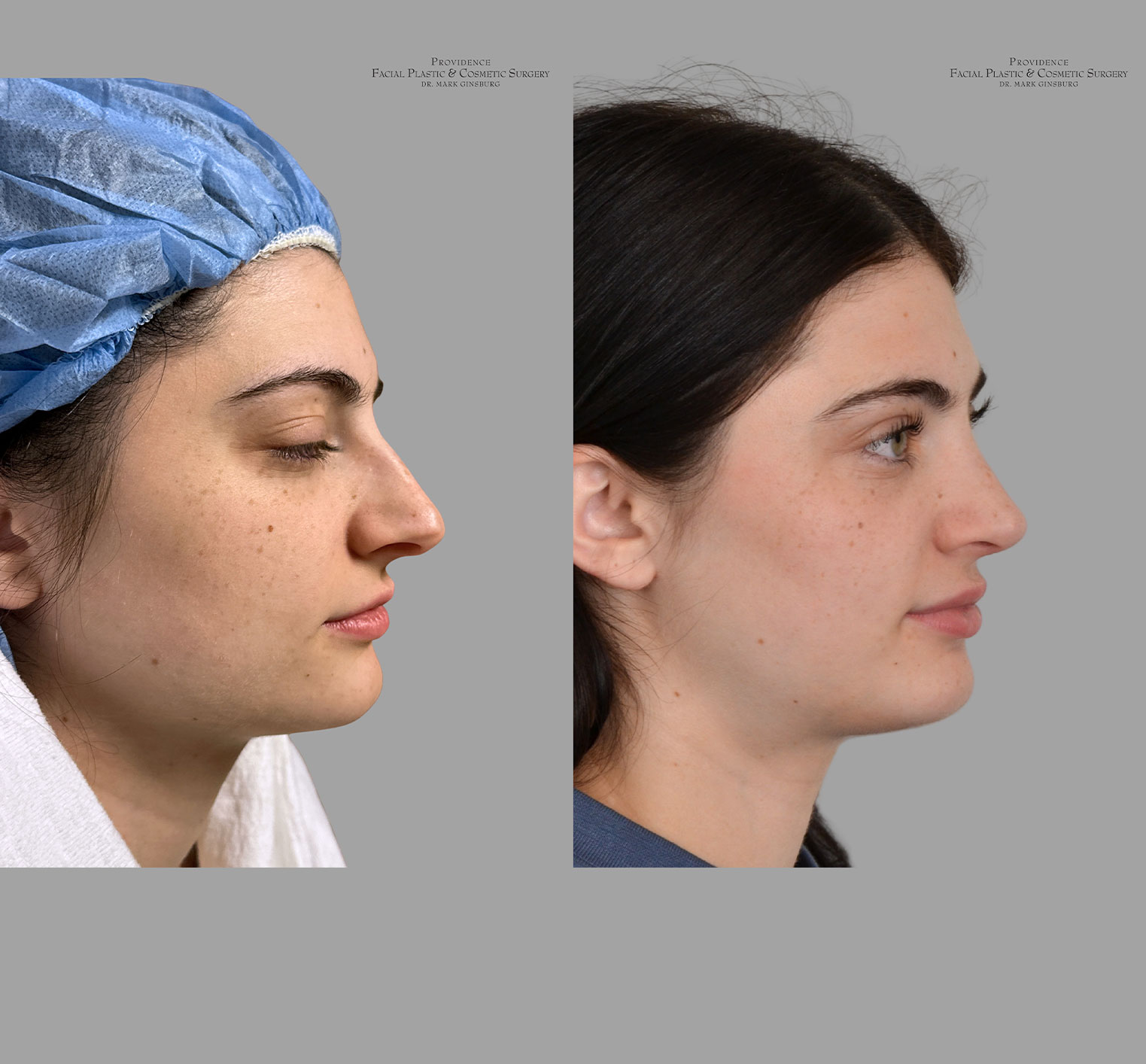
What Are the Challenges of Thin Skin?
When we refer to thin skin in rhinoplasty, we mean a delicate nasal skin-soft tissue envelope that offers little cushioning over the underlying cartilage and bone. If you have thin skin, your nose may show definition beautifully, but it can also reveal even the smallest irregularities. Because there is minimal soft tissue to mask structural details, precision is essential.
Some common challenges of thin skin for rhinoplasty may include:
- Visible cartilage or graft edges
- Contour irregularities that are easier to see
- Subtle asymmetries becoming more noticeable
- Increased risk of long-term contraction (“shrink wrap” effect)
- Greater visibility of minor bone irregularities
- Higher demand for meticulous smoothing and refinement
How is Thin Skin Rhinoplasty Performed?
Thin skin rhinoplasty begins with a detailed evaluation of how delicate your nasal skin-soft tissue envelope is and how it drapes over your cartilage. Because your skin acts almost like shrink wrap, Dr. Ginsburg plans your surgery to ensure optimal long-term healing. He carefully elevates the tissue in a precise plane just above the cartilage lining to protect the blood supply and prevent thinning or scarring that could make irregularities more visible later.
Dr. Ginsburg then meticulously smooths and reshapes cartilage to eliminate sharp edges that could show through your skin. Bone refinement is performed with ultrasonic or piezoelectric tools for controlled, highly precise contouring. If additional softening is needed, a thin layer of fascia or perichondrium may be placed to gently cushion the framework. Every step is performed with the utmost restraint to ensure long-term smoothness and balance.
Before and After Pictures
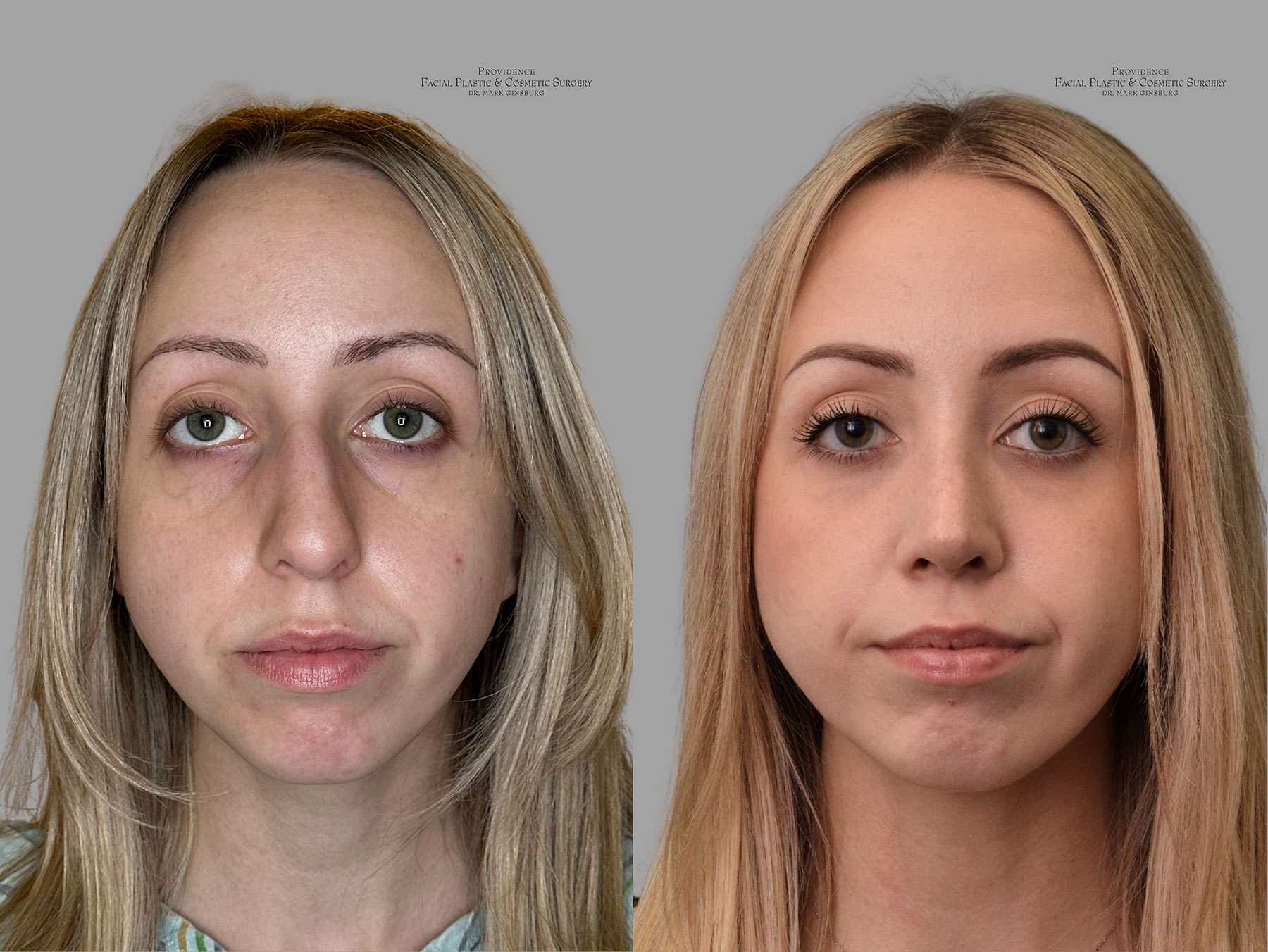
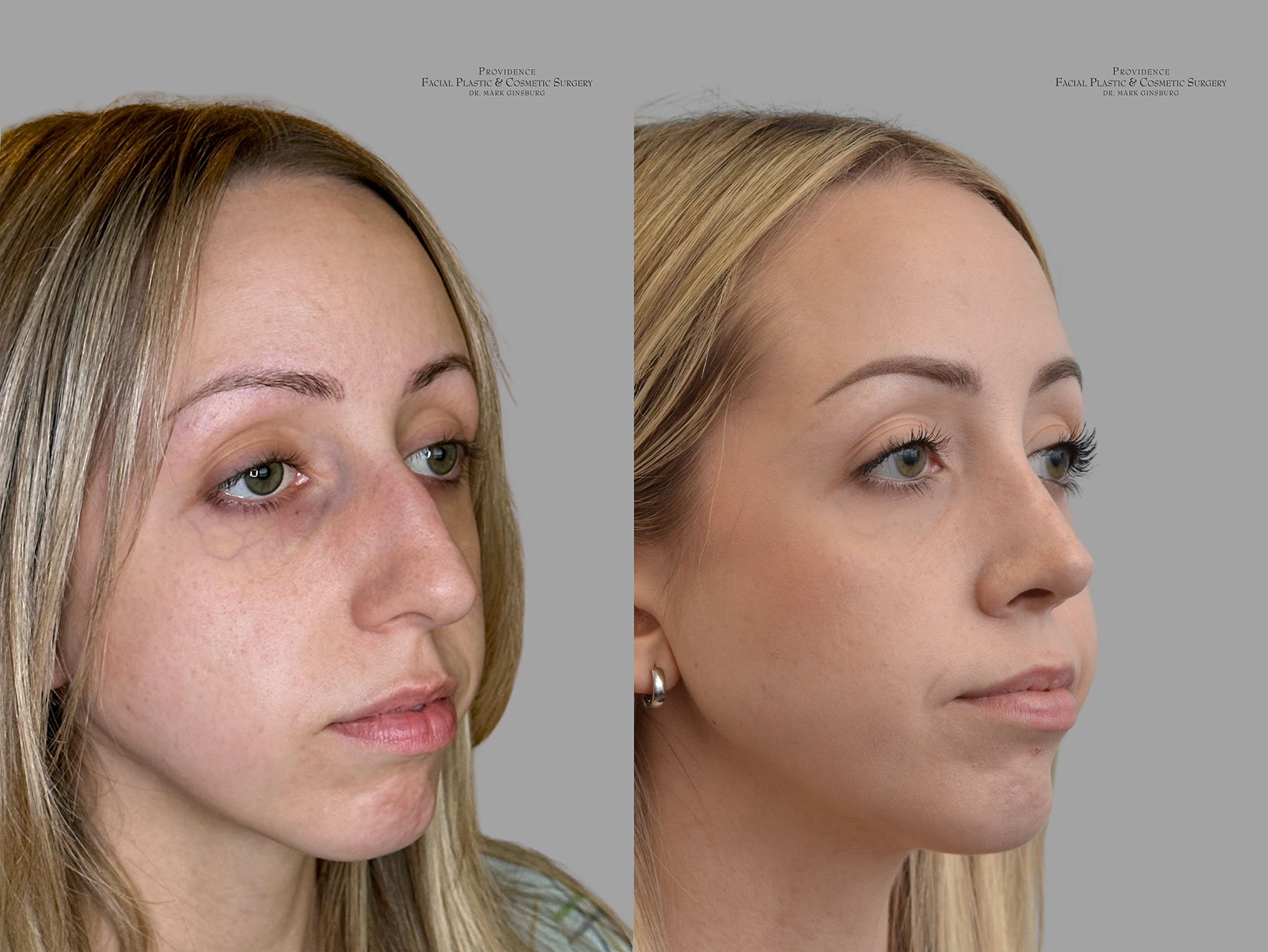
Will My Results Look Too Sharp or Artificial?
Not when your surgery is properly planned. While thin skin can enhance definition, Dr. Ginsburg uses restraint to avoid over-reduction or aggressive reshaping. Cartilage is carefully sculpted to create smooth transitions, and in select cases, a thin layer of soft tissue may be used to gently camouflage the framework. The goal is natural balance, not an overly sculpted appearance.
Schedule Your Complimentary Consultation Today!
Providence Facial Plastic and Cosmetic Surgery offers expert evaluation and personalized treatment for patients considering thin skin rhinoplasty. Mark Ginsburg, DO, FAACS, is triple board-certified in facial plastic surgery, cosmetic surgery, and otolaryngology-head and neck surgery. He carefully assesses your nasal anatomy, skin characteristics, and long-term goals to create a customized surgical plan for smooth results. Schedule your complimentary consultation today to discuss your options and take the next step.