
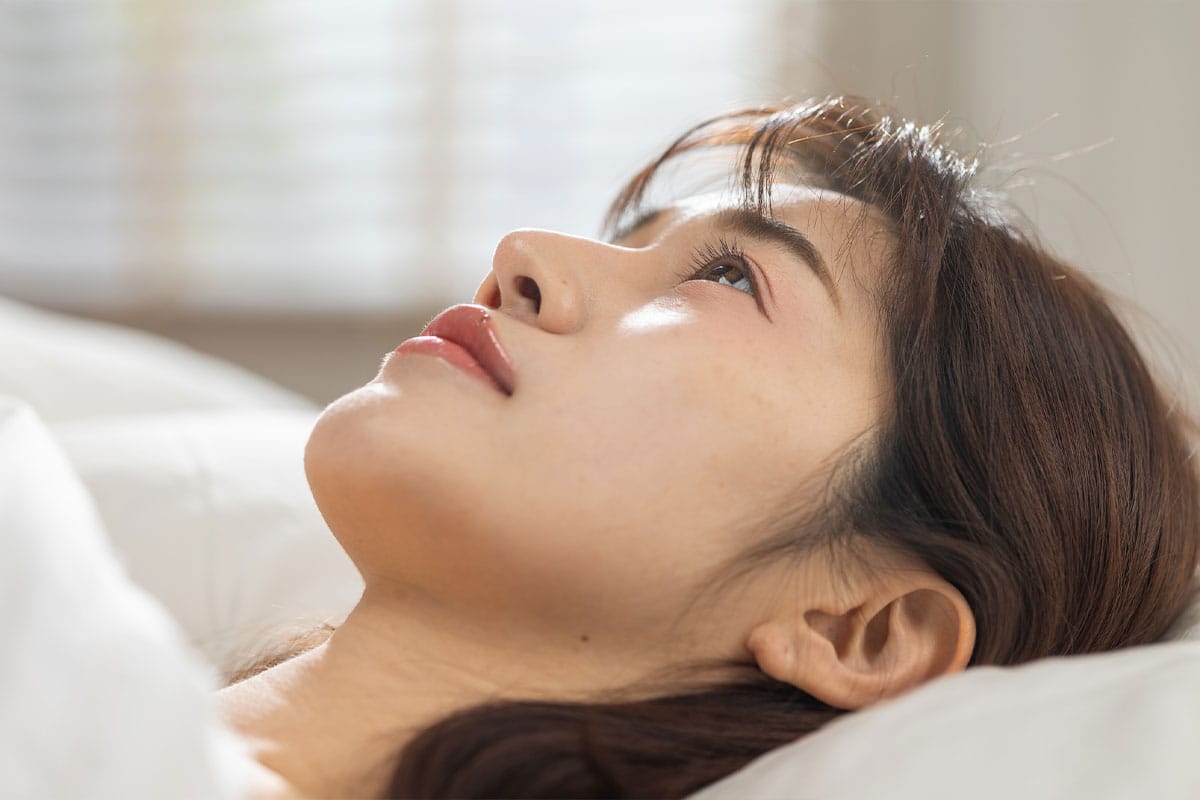
Getting a good night’s sleep after rhinoplasty can be challenging, especially during the first few weeks of recovery. While rest is essential for healing, protecting your nose while you sleep is just as important. Following a few simple guidelines can help minimize swelling, improve comfort, and support the best possible outcome.
Sleep on Your Back with Your Head Elevated
For the first part of your recovery, sleep on your back with your head elevated. This position helps reduce swelling by encouraging fluid drainage and minimizes the risk of accidentally bumping or putting pressure on your healing nose.
Aim to keep your head elevated above your heart while sleeping. Many patients find this position also helps them breathe more comfortably during the early stages of recovery.
Although side or stomach sleeping may be your usual preference, avoid these positions for about six weeks after surgery. Protecting your nose during this critical recovery period allows the tissues and structures to heal properly without unnecessary stress.
Create a Comfortable Sleep Setup
Sleeping on your back may not feel natural at first, but a few adjustments can make it much easier:
- Use several pillows to prop yourself up comfortably.
- Consider a wedge pillow to maintain elevation throughout the night.
- Place pillows alongside your body to help prevent rolling onto your side while sleeping.
- Try a travel neck pillow for additional support and comfort.
Creating a supportive sleep environment can make a significant difference in both your comfort and your recovery.
When Can You Return to Normal Sleeping Positions?
Every patient heals at a different pace, but most surgeons recommend avoiding side and stomach sleeping for about six weeks after rhinoplasty. Even when it’s safe to return to side sleeping, keep in mind that this may cause asymmetric swelling. This won’t affect your final result and isn’t a cause for concern during healing.
The Bottom Line
The way you sleep after rhinoplasty plays an important role in your recovery. Sleeping on your back with your head elevated helps minimize swelling and protects your nose from accidental pressure. By being mindful of your sleeping position during the first six weeks, you’ll help support a smoother recovery and protect your surgical results.